Coating
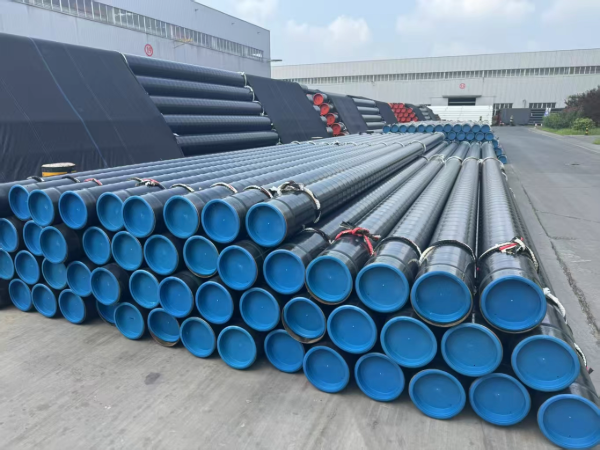
2/3 PE Coated Pipe
Standard: DIN30670, CAN/CSA-Z245.21, NFA 49-710
Size: DN50 - DN2200
Layer 1: Epoxy Powder >=80um
Layer 2: Adhesive 170-250um
Layer 3: Polyethylene 1.8-3.7mm

2/3PE, FBE, concrete weight coating, and hot-dip galvanizing for superior corrosion protection
Standard: DIN30670, CAN/CSA-Z245.21, NFA 49-710
Size: DN50 - DN2200
Layer 1: Epoxy Powder >=80um
Layer 2: Adhesive 170-250um
Layer 3: Polyethylene 1.8-3.7mm
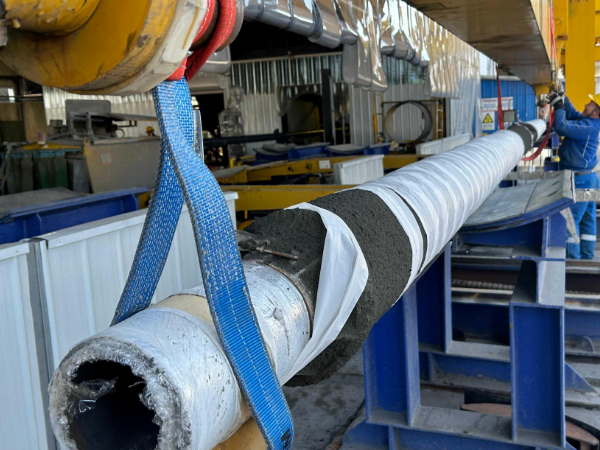
Application: Gas, petroleum, water & sewage
OD: 219mm - 2020mm
WT: 5mm - 25mm
Length: 4m, 6m, 12m, 18m, 21m
Standard: DIN 30670, SY/T0413-2002
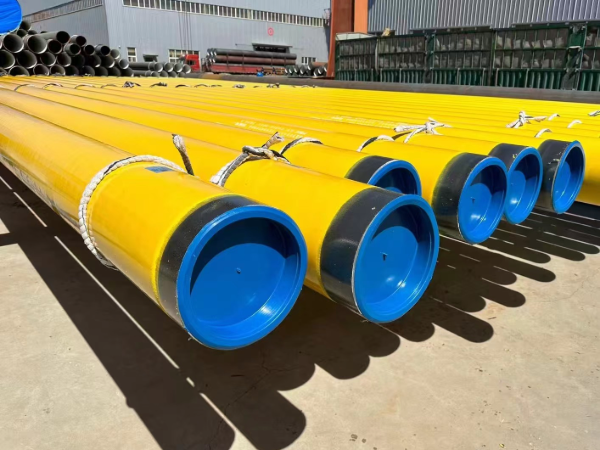
Application: Coal mine, power plant, oil & gas
Standard: DIN30670, CAN/CSA-Z245.21
OD: 219mm - 2000mm
Packing: Bundles or loose
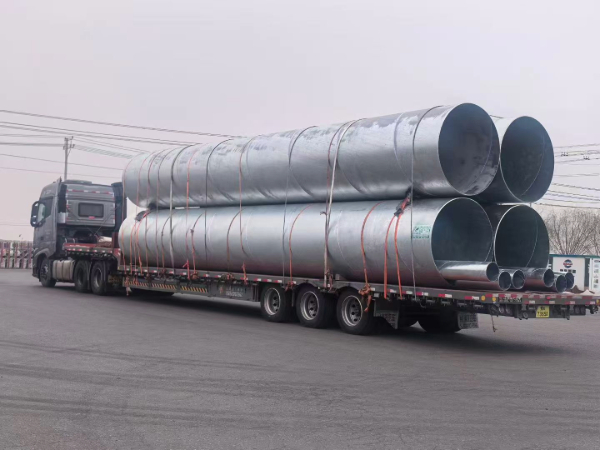
OD: 21.3mm - 406.4mm
WT: 0.5mm - 20mm
Length: 0.3m - 18m
Standard: GB/T 3091, BS 1387, EN 39
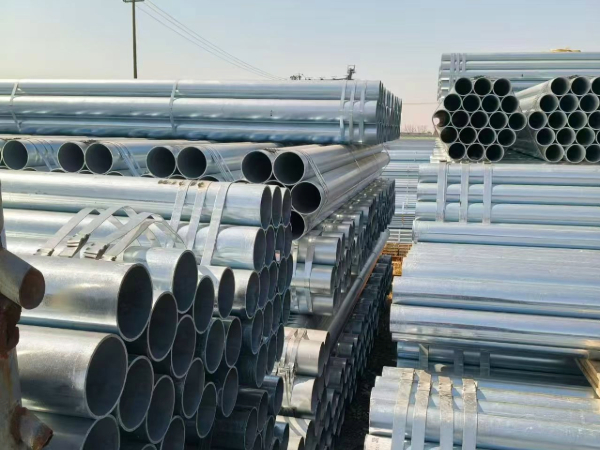
OD: 1/8" - 8" (5.15-219.1mm)
WT: 0.4mm - 26mm (SCH20-XXS)
Length: Max 12m
Material: ASTM B/C/D, EN S185-S355JR
Xenith Steel provides six coating types:
(1) PE Coating: 2-layer and 3-layer polyethylene for underground and underwater pipelines.
(2) FBE Coating: Fusion-bonded epoxy for high-temperature resistance up to 100°C.
(3) Concrete Coating: Weight coating for subsea pipeline stability and negative buoyancy.
(4) Galvanized: Hot-dip zinc coating for atmospheric corrosion protection.
(5) 3PP Coating: 3-layer polypropylene for extreme temperature environments.
(6) Asphalt Enamel: For buried pipelines in aggressive soil conditions.
Two coating structures differ in layers and performance:
(1) 2PE Coating: Adhesive layer plus polyethylene outer layer. Suitable for moderate corrosion environments. Cost-effective for water and gas distribution.
(2) 3PE Coating: Epoxy primer plus adhesive layer plus polyethylene outer layer. Superior corrosion resistance, mechanical protection, and cathodic disbondment resistance. Preferred for oil and gas transmission pipelines and harsh environments.
Xenith Steel coating pipes cover four size ranges:
(1) ERW base pipe: OD 21.3-610mm, WT up to 26.5mm.
(2) LSAW base pipe: OD 406-1626mm, WT up to 50mm.
(3) SSAW base pipe: OD 219-3120mm, WT up to 25mm.
(4) Seamless base pipe: OD 21.3-610mm, WT 1.25-50mm.
Coating thickness varies from 200 μm for FBE to 50mm for concrete weight coating.
Xenith Steel follows five coating standards:
(1) DIN 30670 for 3PE/2PE polyethylene coating.
(2) CSA Z245.21 for external fusion-bonded epoxy coating.
(3) API RP 5L2 for recommended practice for internal coating.
(4) ISO 21809 for pipeline external coatings.
(5) ASTM A123 for hot-dip galvanized zinc coating thickness and adhesion requirements.
Coating steel pipes serve six application areas:
(1) Oil and gas transmission pipelines with 3PE/FBE coating for corrosion protection.
(2) Water transmission with PE coating for potable water safety.
(3) Subsea pipelines with concrete weight coating for stability.
(4) Urban gas distribution with galvanized coating for atmospheric protection.
(5) Chemical processing with FBE coating for chemical resistance.
(6) Municipal infrastructure with asphalt enamel for buried pipe protection.
Xenith Steel applies four quality control measures:
(1) Surface preparation: Shot blasting to Sa 2.5 grade with anchor profile 50-90 μm.
(2) Coating thickness: Holiday detection and dry film thickness measurement per specification.
(3) Adhesion testing: Cross-cut and pull-off tests for epoxy and PE coatings.
(4) Impact and bend testing: Verification of coating flexibility and resistance to mechanical damage during handling and installation.